Határonkívül {} Out the border

Határokon át, földön, vízen, levegőben {} Across borders, on land, water, air

A beginner’s guide to AI for everyday users

2026. március 12. 13:40 - határonkivül

What is this mysterious abbreviation? AI?

ai.jpg

Johannes Simon / Getty Images

       Research on artificial intelligence began a long time ago. It has been almost thirty years since Deep Blue defeated world chess champion Garry Kasparov.  IBM’s machine at the time could only play chess. In the emergence of AI, it can be seen as a remarkable milestone when a human is defeated in a game created by humans, by a machine also created by humans. 

   It’s time to clear up some of the confusion out there. Technological development has accelerated so rapidly that it’s becoming increasingly difficult for everyday users to understand and process it. One of the biggest "sceriest monster" is the artificial intelligence — something everyone thinks they know and believe they’re already using correctly… yet most non‑experts have ended up completely misunderstanding it.

With this post, my aim is to help you navigate this  AI jungle and find the right path.

Let’s not rush in headfirst; let’s start with the basics. First of all! The question is :

                                                          What is artificial intelligence (AI)?

  Artificial intelligence (AI) refers to a computer algorithm or program capable of imitating intelligent human behavior.Contrary to popular belief, AI cannot think the way humans do. The AI analyzes large amounts of data, uses statistical algorithms to identify patterns within that data, and provides results to users based on these patterns.

-  One of the most common misconceptions! 

  1.AI learns by itself”Not true. Artificial intelligence is trained by humans using datasets; it does not “self‑learn,” but works from data that has been provided to it in advance.

2.AI understands human language”It does not. Machine models break words into tokens and generate responses based on statistical patterns.

3."AI is creative”Only in appearance. What we perceive as creativity is actually the combination of patterns; behind the novelty there is no conscious intention or understanding.

4."AI corrects its mistakes”This is only partly true: it happens through limited and guided use of memory, not through classical learning.

   AI cannot function without large amounts of data, and the algorithms behind it rely on statistical methods that were developed decades ago. Artificial intelligence has become such a popular topic today because enormous volumes of data are now available across nearly every industry, and computing power has reached a level that can meet the demands of AI‑driven applications.

  The AI is therefore not a thinking machine, but software created by humans that analyzes data using statistical methods. It can identify patterns within large datasets and, based on these patterns, generate predictions and provide answers.
22_2.jpg

                                                  How does artificial intelligence work?

   Artificial intelligence can now be found across a wide range of industries. It powers Google search, the personalized video recommendations on YouTube, the Facebook news feed, traffic management systems, self‑driving cars, and most recently, the development of large language models reached a milestone that became widely known through OpenAI’s ChatGPT. Whatever AI application we talk about, there are two fundamental conditions required for its creation. These are the following:

-A large amount of data

-A training technique, which typically consists of statistical methods

  We are living in the era of “big data,” meaning that businesses and governments collect data about the decisions of individuals and companies across every area of life. While large datasets used to exist mainly in finance and economic fields, today they cover virtually every industry. Data on its own is useless, however it must be analyzed, and this process is what we call training artificial intelligence. There are several ways to train an AI. We are not digging in this any deeper for details at this moment.  

   Let’s talk about something a bit more exciting! Deepfakes, data quality, and the battle of AI vs. AI

What the hell is that deepfake? A deepfake is a type of artificial intelligence that creates very realistic but completely fake images, videos, or audio. It can make it look like someone said or did something they never actually said or did. Deepfakes work by learning from many real pictures or recordings of a person, then using that information to generate new, convincing fake content.

For example, imagine a video where a famous actor appears to say something shocking — but in reality, they never said it. A deepfake can take real videos of the actor, learn their face and voice, and then create a completely fake video that looks and sounds real.

comparison_deepfake_blogpost_en.jpg

Source: Shamook (2020) 

Or....there is another simple example, the deepfake can be a voice too. Imagine getting a phone call from someone who sounds exactly like your boss, asking you to send an urgent payment. But it’s not your boss at all — it’s a deepfake voice created by AI, using just a few seconds of real audio.

Deepfake technologies and AI‑generated content are becoming increasingly convincing. But this also means that reliable, original data sources are starting to run out, leaving less real material for AI systems to learn from. The big question for the future is this: if AI begins learning from AI‑generated content, could that degrade quality? And what might the solution be? One possibility is AI‑driven cybersecurity — in other words, AI defending against AI.

We can’t ignore the risks of AI either, so let’s touch on them briefly — without aiming for a complete list.

The main risks of artificial intelligence include:

  • Phishing and security threats: AI tools can unintentionally point users toward unsafe login pages, making phishing attempts harder to spot and easier to fall for. /Cyberattacks, FraudGPT<<Avoid clicking on suspicious links, never share your personal information with strangers, and make sure you’re protected with a modern antivirus solution such as  Microsoft Defender or Norton 360 Deluxe/

  • Smarter, AI‑powered attacks: Cybercriminals are now using AI to create highly optimized scam sites designed to rank well in chatbot answers — giving their traps more visibility than ever. /Facial recognition systems can also pose risks, as they may capture your face and personal data without you even noticing, ChatGPT , and most other desktop AI software saves your conversations.../

  • Accuracy and trust issues: When AI produces incorrect or misleading information, these “hallucinations” can quickly erode user trust.

  • Copyright concerns :AI systems learn from vast amounts of human‑created content — articles, books,songs, lyrics, Wikipedia entries, and more. Yet the creators behind this material often receive neither compensation nor recognition. Many AI companies argue that paying for all this training data would be financially impossible, leaving human creativity as the unpaid fuel powering these technologies.

  • image_c6b6530cd0c82826511743fa6fa3.webp

    Ethical and social concerns: AI can amplify existing biases, compromise personal privacy, and deepen social inequalities if not used responsibly. /Biased algorithms AI is only as “intelligent” as the data it’s trained on — and when that data is skewed, the system’s decisions become skewed as well. One well‑known U.S. example showed a healthcare algorithm giving more support to healthy white patients than to Black patients in serious condition, simply because it relied on cost‑based data that reflected existing inequalities./

  • Environmental protection: Running generative AI is energy‑intensive. A single prompt to ChatGPT can use roughly as much electricity as keeping a light bulb on for 20 minutes.  The energy demand of data centers could soon exceed the total consumption of some entire countries

  • Physical Threats: AI is now not only writing emails, but also fighting wars. Drones, autonomous weapons, and military decisions are increasingly relying on AI. This could lead to an escalation of conflicts.
  • Impact on the job market: As automation accelerates, certain roles may disappear, potentially creating economic pressure and uncertainty. /Some estimates suggest that by 2030, as many as 300 million jobs could disappear worldwide.Learn to work with AI >the future will favour those who use technology to become more effective, not those who are replaced by it./

     Long story short, here’s the deal. Can the process be reversed? The pace of technological development can no longer be stopped — artificial intelligence has become an irreversible part of our lives. Regulations are lagging behind, challenges are growing, but one thing is certain:  the education but also the regulation is essential.

We can clearly state that, in connection with all of the above, we need reliable artificial intelligence.

Reliable artificial intelligence (AI) offers advantages in several areas:

  • it can improve healthcare,

  • make transportation safer and more environmentally friendly,

  • increase the efficiency of industrial production,

  • and make energy generation and consumption cheaper and more sustainable.

  • I hope you enjoyed this little journey through the modern maze of artificial intelligence, and that I was able to give you a little help and inspiration so that you don't get scared when you see a driverless taxi on the street.

  • If you have some energy left, enjoy the video below.


Szólj hozzá!

A magyar nagyfazék! Jump in the Hungarian cooking pot!

2024. január 31. 17:42 - SodalisO

Magyar ételek angol nyelven is! Hungarian food in English too!

        crop_201708161623_bogracs.jpg                       

 "Egy jó vacsora után az ember bárkinek megbocsát. Akár még a saját rokonainak is."

   "After a good dinner, you forgive anyone. Even your own relatives."

                                                                                                                                            /Oscar Wilde/ 


                Főzzünk magyarul! Van kedved belesni egy klasszikus magyar konyhába?                                       Let's cook in Hungarian! Would you like to indulge in classic Hungarian cuisine?


     Te is izgalomba jössz, ha azt hallod, hogy gulyásleves, piros paprika, csípős füstölt kolbász,körömpörkölt, pacal, bográcsgulyás, Dobos-torta, Zserbó-szelet? Ha többet akarsz megtudni, akkor jó helyen vagy itt nálam.

     Nagy fazékba vágom a fakanalamat, szándékaim szerint készíteni fogok egy teljes sorozatot a hagyományos  magyar konyha ételeiből, sok-sok recepttel,képpel, hasznos információkkal, jó sztorikkal, történelmi hátérrel, angol és magyar nyelven.

    Jó, jó, tudom, manapság már mindenki ezt csinálja, mi van ebben izgalmas? A forma, a megjelenés! Egyelőre minden más titok! 

     A célom az, hogy a magyar klasszikus konyhaművészetnél maradok, szeretném  kifejezetten hangsúlyozni a hagyományos ételeinket, amik szépen lassan a modern kor reformkonyhájának és a "fine diningnak" köszönhetően kiszorulóban vannak.

 269710808_4968054389871767_4818374204129918473_n.jpg

Do you also get excited when you hear goulash soup, red pepper, spicy smoked sausage, cauldron stew ( i'll tell you about this soon), tripe, Dobos cake ,and Zerbó slice?

If you want to know more, you are in the right place here with me.I intend to put all my recipes into this journey,it's a big journey so i will do it in stages. I will make a whole series of dishes from the classic Hungarian cuisine, with lots and lots of recipes, pictures, useful information, good stories, historical background, in both English and Hungarian.

Okay, okay, I know, everyone's doing it these days, what's exciting about this?

The format, the appearance, the accuracy! It's a secret for now!

My goal is to stay with Hungarian cuisine, I would specifically like to emphasise our traditional dishes, which are slowly being displaced thanks to the reform kitchen of the modern era,"fine dining" and fast food.


            A történelem hatása a magyar konyhakultúrára

       The influence of history on Hungarian culinary culture  


2016080228.jpg

kikva_virtualis2.jpg

138831763_3700295050053236_1613749588261108844_n.jpg


- "Reggelizz úgy, mint egy király, ebédelj úgy, mint egy polgár és vacsorázz úgy, mint   egy koldus!"  

- "Eat breakfast like a king, lunch like a citizen and dinner like a beggar!"                                


- A családi asztalon "minden étel egy szerelmi vallomás vagy ellenkezője, egy csöndes válóper" legyen!  / magyar író:Mór Jókai /


- On the family table, "every dish should be a confession of love or the opposite, a   silent divorce trial"! / Hungarian writer: Mór Jókai /


   Tegyünk egy kis történelmi áttekintést a magyar konyha hátteréről. A történelem során néhány más nemzet kétségkívül meghatározó hatást és változást hozott a magyar gasztronomiába. 

  Let's do a little historical overview of the background of Hungarian cookery. In the course of history, some other nations have undoubtedly had a decisive influence and change on Hungarian gastronomy.

   Mitől is olyan vonzó a magyar konyha? Azontúl, hogy bőséges és szíves vendéglátás jellemzi, elsősorban változatossága és ízgazdagsága teszi vonzóvá. Magyarország fennálásának ezeregyszáz esztendeje alatt mindig is számos más kultúrával került kapcsolatba, igy azok gasztronómiai jellegzetességeit is befogadta és továbbfejlesztette.

   What makes Hungarian food so attractive? Apart from the fact that it is characterised by abundant and friendly hospitality, it is primarily attractive because of its variety and richness of taste. During the one thousand and one hundred years of Hungary's existence, it has always been in contact with many other cultures, and thus it has also adopted and developed their gastronomic characteristics.

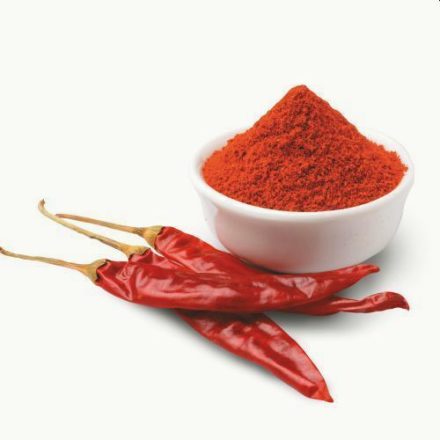
    A magyar konyha egyik jellegzetessége, a paprikás fűszerezés, meglepő vagy nem, de eléggé újkeletű. Szakácskönyveink a 19. században említik először.A török hódoltság idején ugyan már termesztették hazánkban, de ahhoz "gyaur" hitetlen hozzá nem férhetett, az a hódítók kiváltsága maradt!

  One of the characteristics of Hungarian meals is paprika, surprising or not, but it is quite new. It was mentioned in our cookbooks for the first time in the 19th century. It was already grown in our country during the Turkish occupation, but "often" unbelievers could not access it, it remained the privilege of the conquerors!

fuszerpaprika_orolt_edes_250g.jpg

A paprika kiváltotta a méregdrága , keletről beszerezhetű borsot és gyönyörűen színezte is az ételeket.

No és vajon mi jellemezte a paprika megjelenése előtti magyar konyhát ?

Egyértelműen az, hogy sokkal változatosabb volt !!! Csombor, tárkony, turbolya,kapor, rozmaring,kömény, torma és sok más egyéb fűszer volt használatos, ezek mindegyike helyben, a kertekben meg is termett. A magyar nép köreiben szóba sem kerülhetett a bors, mert annak "arany " ára volt. 

Jogosan merül fel a következő kérdés, hogy vajon mit is fűszereztek ezekkel a hozzávalókkal?!

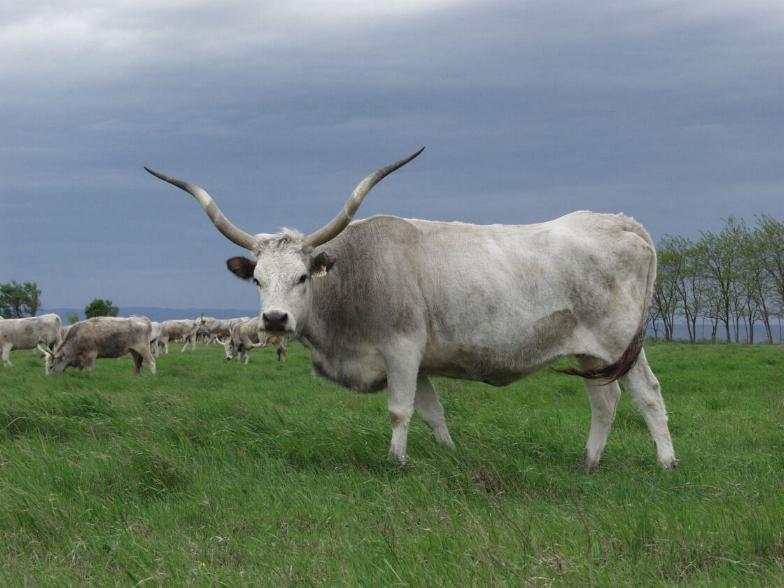
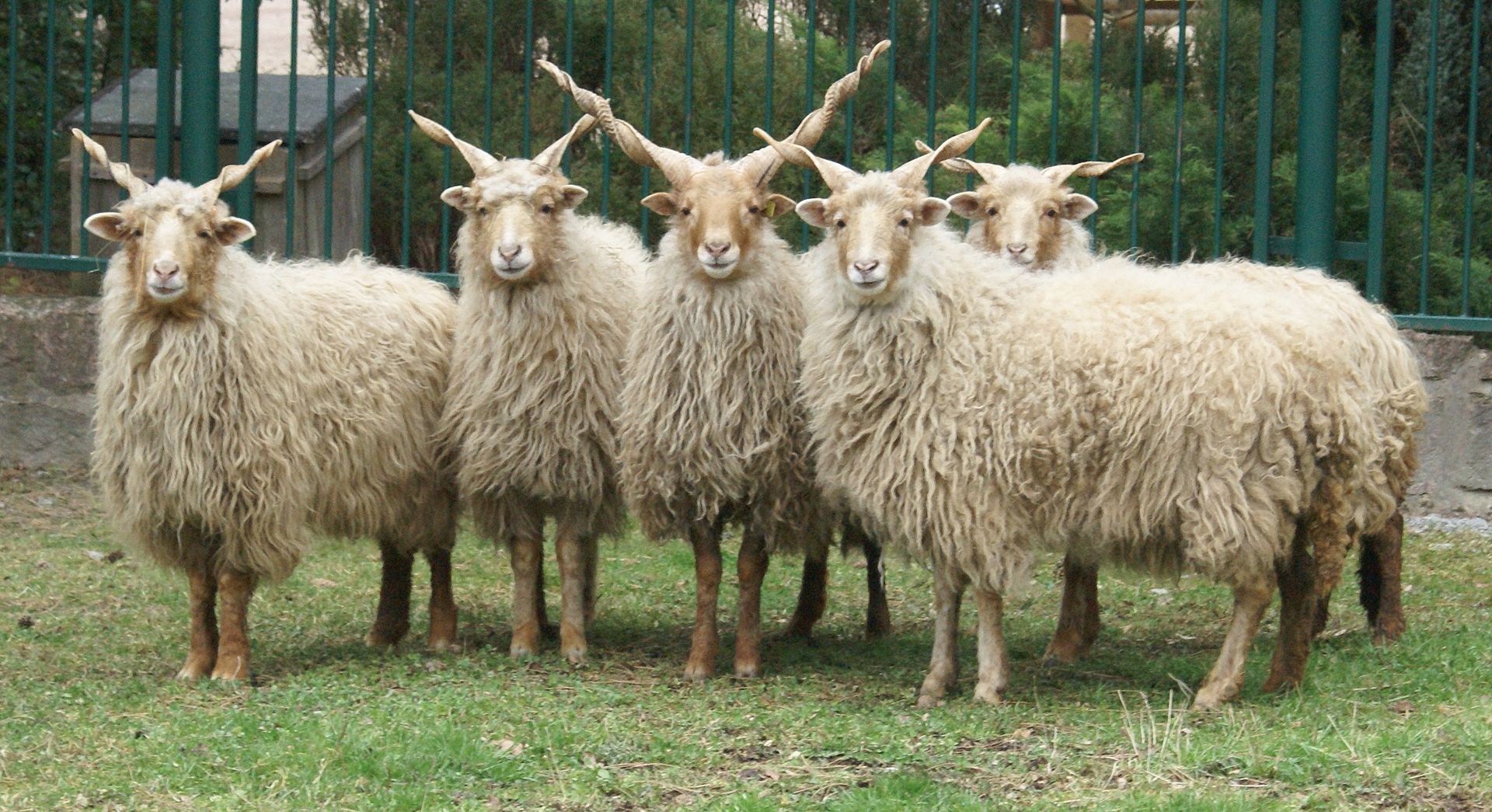
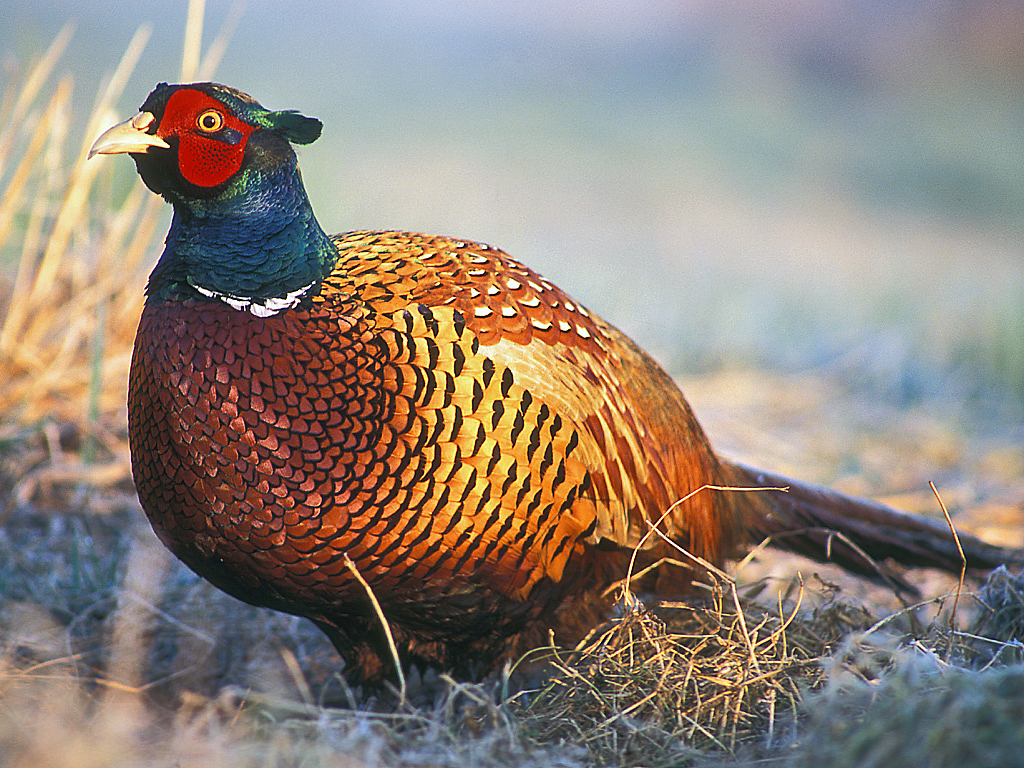
Honfoglaló őseink elsősorban a birkát, a szürke "rideg" marhát és lovat hoztak magukkal a Kárpát-medencébe.Csak jóval később, a végleges letelepedés után jelent meg a sertés és baromfi a magyar konyhakultúra palettáján.A feudális Magyarországon a vadhús csak a nemesek és a király asztalára kerülhetett,ugyanis a nemesi tulajdonban lévő erdőkben vadászni de még fát vágni is tilos volt.

Paprika replaced the outragiously expensive pepper that was brought from the East and also colored the dishes beautifully. Well, what characterised Hungarian cuisine before the appearance of paprika?

Clearly, it was much more varied  bunch,including tarragon, savory ,chervil, dill, rosemary, caraway seeds, horseradish and many other herbs and spices were used, all of which were grown locally in the gardens. For the ordinary  Hungarian people, pepper could not even be discussed, because it had a "golden" price tag.

The next question rightly arises, what did they season with these ingredients?! Our conquering ancestors mainly brought sheep, Hungarian grey cattle, and horses with them to the Carpathian basin. It was only much later, after the final settlement, that pork and poultry appeared on the palette of Hungarian culinary culture. In feudal Hungary, game meat was only available to the noblemen and could end up on the king's table, after all, it was forbidden to hunt or even cut wood in the forests owned by the wealthy.

magyar_szurkemarha.jpg

zackelschafe_tiergarten_bernburg_06-03-2008.jpg

phasianus_colchicus_2_tom_lukasz_lukasik.jpg

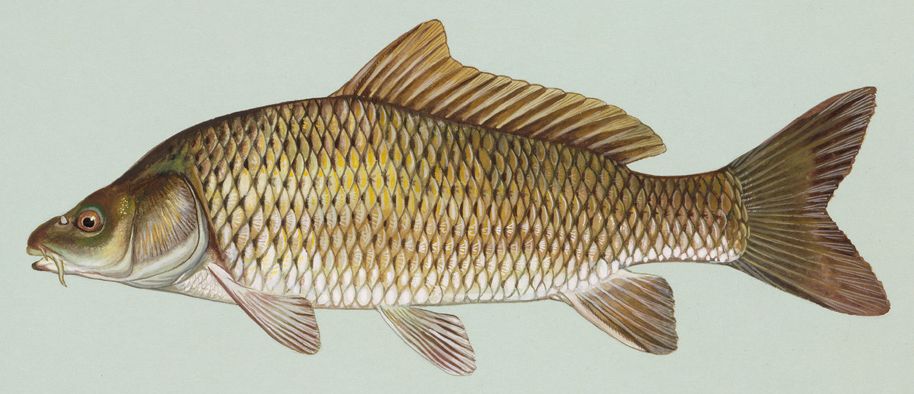
De ott voltak ám a halak, bőven, érintetlen ízvilágukkal, mint a tiszta vizek ajándékai.Elképzelni is nehéz ma az akkori halbőséget! Hazai folyóink, a Duna, Dráva, Száva, Maros, Tisza,Kőrös vizei mentén a lakosság kizárólag a halakból élt.

But the fish were there, in abundance, with their pristine taste, like gifts from the clear waters. It is hard to imagine the abundance of fish back then! Along our domestic rivers, the Danube, Dráva, Száva, Maros, Tisza, Kőrös, the population lived exclusively on many varieties of fish.

scardinius_erythrophthalmus.jpg

stizostedionluciopercaaquarium.JPG

acipenser_ruthenus.jpg

ameiurus_nebulosus_hungary.jpg

common_carp.jpg

hecht.jpg


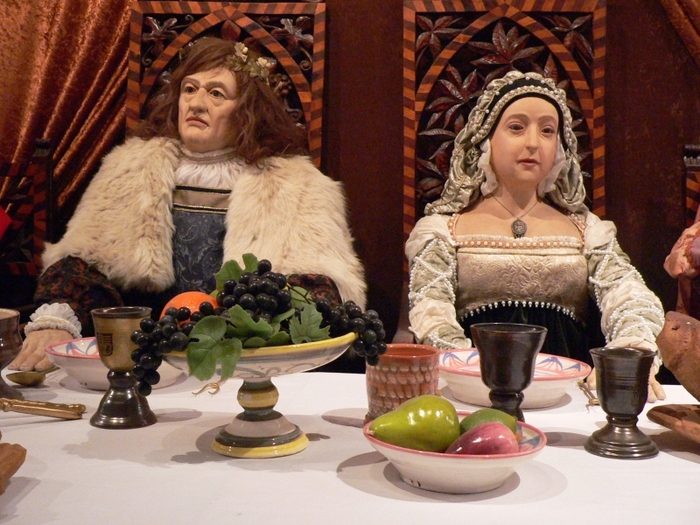
A reneszánsz konyha új ízeket hozott, Mátyás király második felesége , Aragóniai Katalain Itáliából behozatta és elterjesztette a fokhagyma és vörörhagyma használatát.

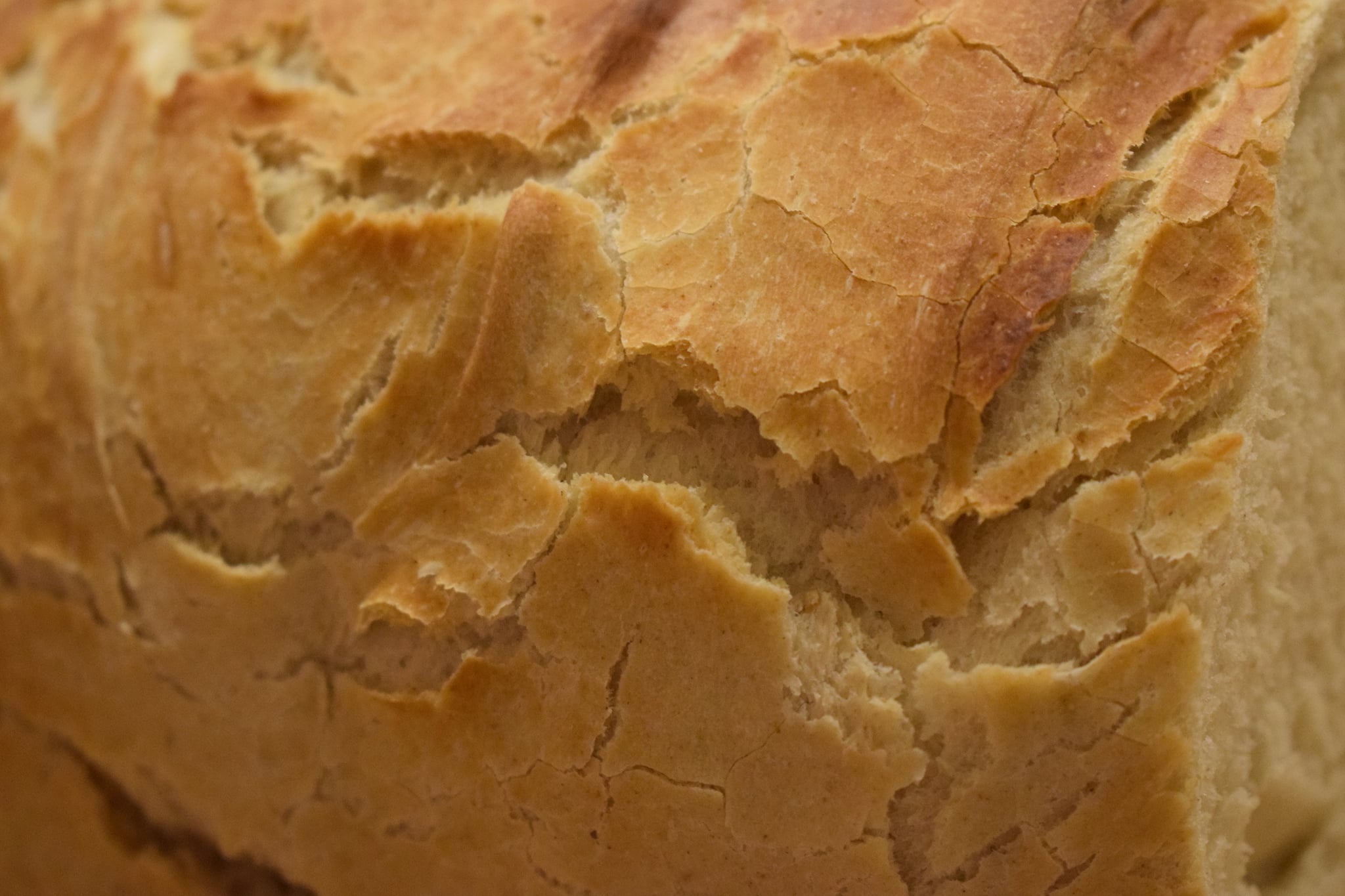
A gabonafélék családjából népszerű volt a búza, rozs,árpa. Az első kettőből kenyér, az utóbbiból pedig sör készült. 

 Renaissance cuisine brought new flavours, for example the second wife of King Matthias, Katalin of Aragon, brought garlic,shallots, and red onion from Italy. These ingredients soon became the basis of many dishes.

From the cereal family, wheat, rye, and barley were popular. Bread was made from the first two, and beer from the last one.

123790328_3737018702975348_1018471530354451254_n.jpg

124024111_3737018202975398_3039699135598936607_n.jpg


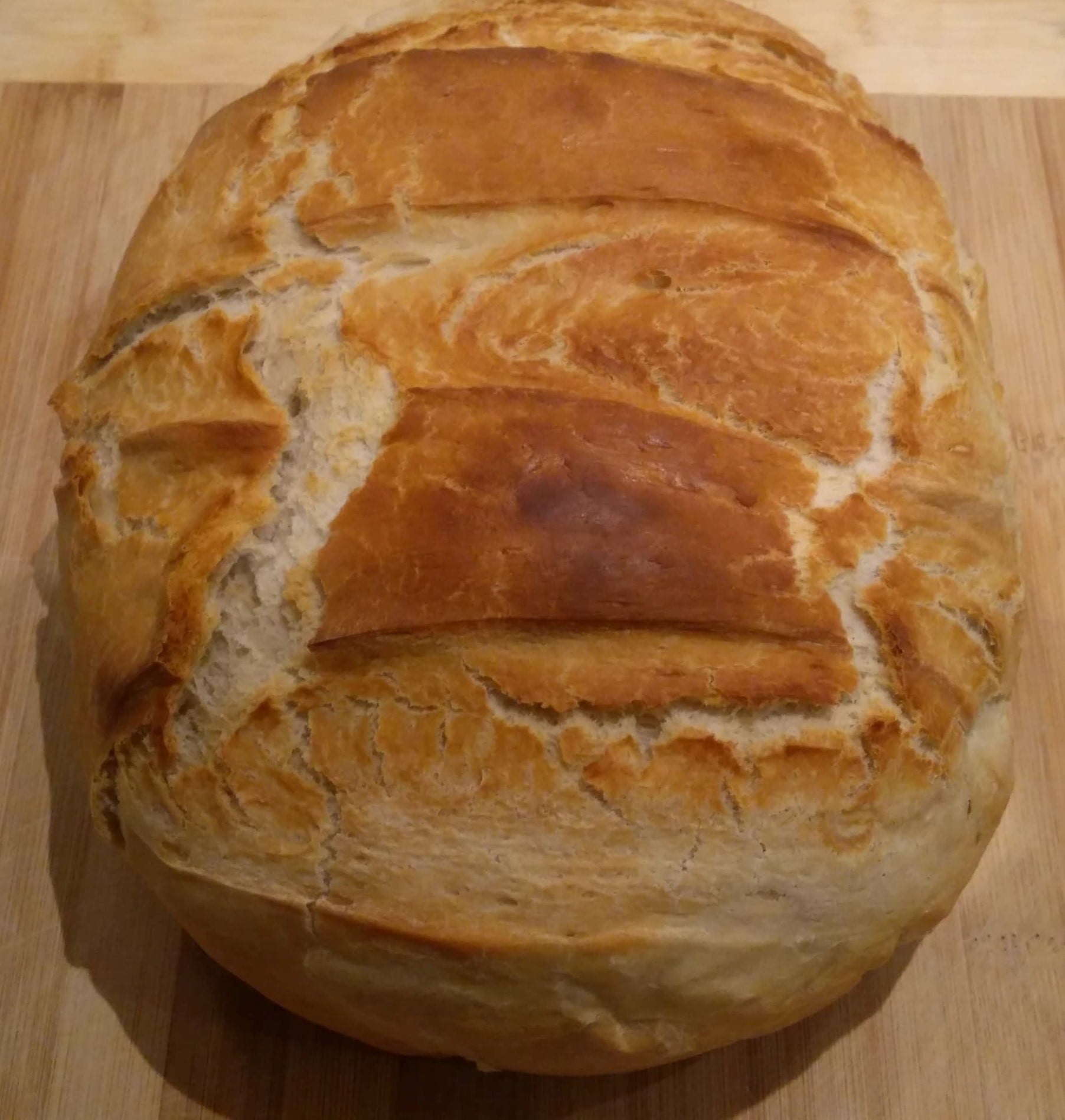
Igen, én arra buzdítalak, hogy süssünk otthon hagyományos kovászos kenyeret, főzzünk 2 fogásos ebédet, zárjuk egy jo piskótával, vagy egy szelet Dobos tortával, nyáron tegyünk el befőttet, savanyúságot, főzzünk lekvárt és pálinkát is. Tartsunk a hátsókertben csirkét, tyúkot,galambot, libát, kacsát, kecskét, télen vágjunk le egy disznót, kerüljön a spájzba, padlásra, hűtőbe a sok finom feldolgozott "jóság".

Yes, I encourage you to bake traditional sourdough bread at home, cook a 2-course lunch, finish it off with a good sponge cake or a slice of Dobos cake, make preserves and pickles in the summer, make jam and if it's legal palinka as well. Let's keep chickens, hens, pigeons, geese, ducks, goats in the backyard, butcher a pig in the winter if it's legal of course,  put all the delicious homemade "goodness" in the pantry, attic, and refridgerator so you can enjoy all year round.


Szólj hozzá!
süti beállítások módosítása